Silicon carbide SiC: Applications from abrasives to semiconductors
1.Basic introduction of silicon carbide SiC
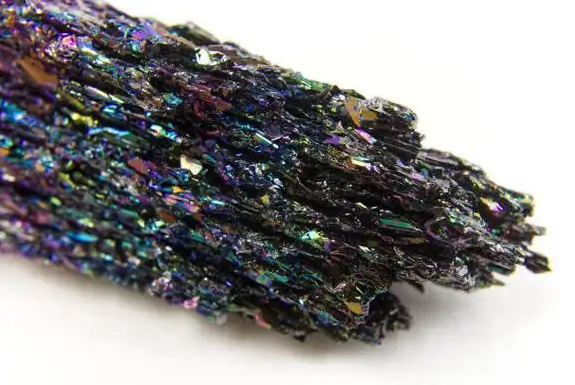
Silicon carbide SiC, a unique inorganic non-metallic material, is renowned for its high hardness and thermal stability, and is widely used in various fields, from abrasives to semiconductors. Its raw materials mainly include silica sand and petroleum coke; salt is added during the production of green silicon carbide. After high-temperature smelting in an electric resistance furnace, silicon carbide is produced in powder and crystalline forms. Due to its excellent physical and chemical properties, it is known as “emery sand” or “refractory sand.”
1.2.Properties of silicon carbide SiC
Silicon carbide SiC plays a vital role in numerous high-tech fields due to its unique physical and chemical properties. As a leading high-tech refractory material, it is particularly prominent in grinding, polishing, and high-temperature equipment. Its high hardness, strong thermal stability and excellent chemical stability make it ubiquitous in various equipment that urgently requires wear resistance, corrosion resistance and high-temperature resistance.
1.2.Applications of silicon carbide SiC
Since its invention in 1893, silicon carbide SiC has been widely used in high-temperature, wear-resistant, and corrosion-resistant equipment. It is not only an important component of abrasives but has also demonstrated its strong adaptability and excellent performance in metallurgy, ceramics, and semiconductor manufacturing. In recent years, with the development of emerging industries such as new energy vehicles, photovoltaics, and 5G communications, the application areas of silicon carbide SiC have continued to expand.
2.Unique properties of silicon carbide SiC
2.1 Hardness and wear resistance
Silicon carbide SiC has a Mohs hardness of up to 9.2-9.5,which gives silicon carbide excellent wear resistance. After special processing, such as coating it on the inner wall of turbine impellers and cylinder bodies, it can significantly improve the wear resistance of these components, thereby extending their service life by 1 to 2 times.
2.2 Thermal stability
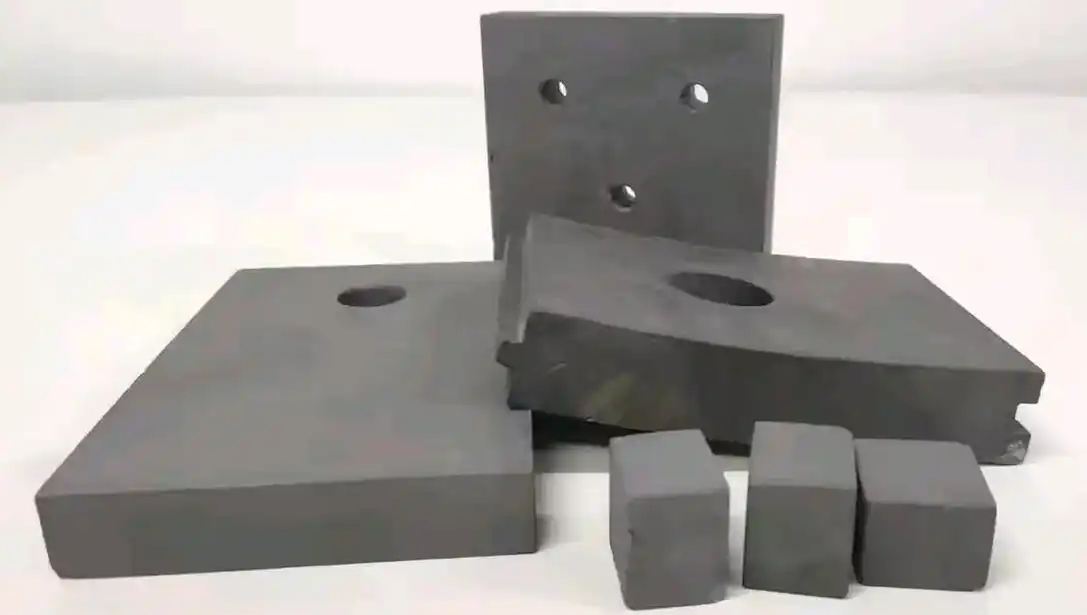
Silicon carbide SiC exhibits excellent thermal stability at high temperatures. Its structure remains stable and is not easily deformed or damaged, thus playing an important role in high-temperature industrial applications.
2.3 Chemical stability
Silicon carbide SiC has extremely strong acid resistance; it typically does not react with acidic solvents at temperatures below 200°C. This chemical stability allows silicon carbide to maintain its original properties and functions under various chemical environments.
3.Wide application of silicon carbide SiC
3.1 Abrasives and Precision Polishing
Silicon carbide SiC is commonly used as an abrasive to manufacture grinding wheels, oilstones, grinding heads, and other grinding tools. These tools can be used for various grinding and polishing operations to improve gloss and precision.
3.2 Metallurgy and Ceramics
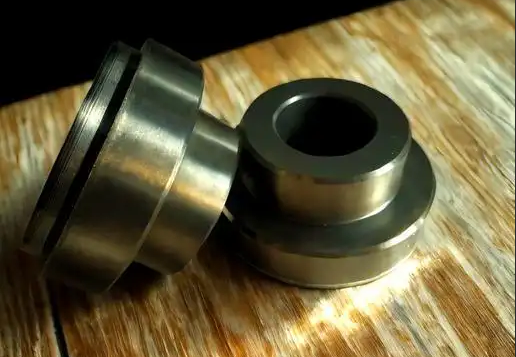
In the metallurgical industry, silicon carbide SiC is used as a deoxidizer, and its high-temperature resistance also makes it an ideal choice for ceramic materials.
3.3 Semiconductor manufacturing
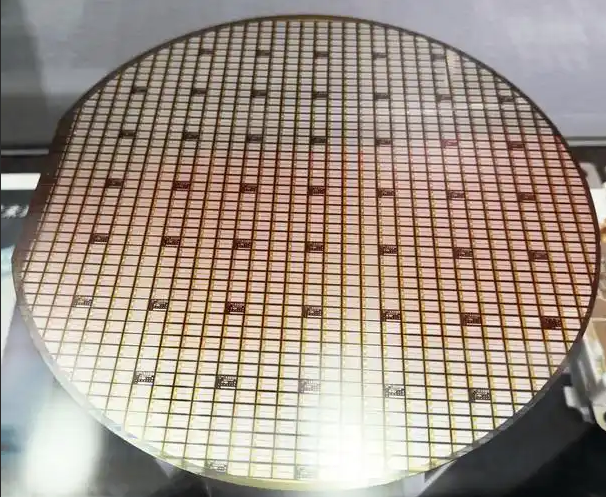
Silicon carbide SiC is a core component of third-generation semiconductor materials. Its applications enhance the performance of semiconductor devices, and it is commonly used in the manufacture of high-performance semiconductor devices and calcium carbide fibers. This property also makes it play an important role in fields such as functional ceramics and advanced refractory materials.