
Black silicon carbide works in conductive adhesives and electromagnetic shielding coatings
Black silicon carbide, due to its semiconductor properties (controllable resistivity), good thermal conductivity, high temperature resistance, wear resistance, acid and alkali resistance, and cost far lower than silver powder, nickel powder, and carbon nanotubes, is widely used as a composite functional filler in low-to-mid-range conductive adhesives, thermally and electrically conductive adhesives, and industrial EMI electromagnetic shielding coatings. It cannot be used alone for high conductivity shielding and is mostly compounded with carbon black, graphite, and metal powders, highlighting the four-in-one advantages of “conductivity + thermal conductivity + wear resistance + corrosion resistance and high temperature resistance”. It is suitable for automotive, industrial control, high-temperature electronics, and energy storage equipment. Green silicon carbide, due to its high insulation, is completely unsuitable for this application.
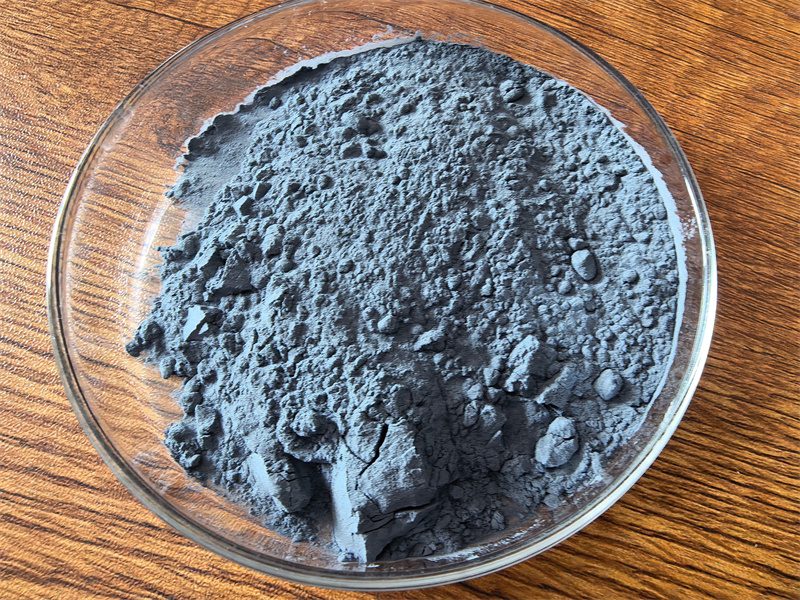
I. Application of black silicon carbide micro powder in conductive adhesives
Conductive adhesive matrices are mainly composed of epoxy, silicone, and polyurethane. Black silicon carbide is divided into two main routes: single filler (antistatic) and compound filler (conductive/shielding). These are further categorized according to their application scenarios:
(I) Antistatic Conductive Adhesive
Suitable for: Bonding components requiring static discharge and not suitable for complete short-circuiting, including lithium battery modules, PCB mounting, antistatic housing bonding, photovoltaic junction boxes, and flammable/explosive industrial control modules.
Core Advantages:
1. Thermally conductive adhesive layer, aiding in heat dissipation when bonding heat-generating components;
2. Electrolyte and moisture resistant, preventing electrolyte corrosion and failure during bonding within power battery packs;
3. Wear-resistant and vibration-resistant, maintaining conductivity and preventing powdering even in bumpy vehicle environments.
(II) Thermally Conductive and Conductive Adhesive
Scenarios: Bonding of IGBT modules, charging pile power devices, inverters, vehicle power supplies, and photovoltaic power components, requiring conductive grounding and rapid heat dissipation.
Features: Unchanged bonding performance at high temperatures (180℃ long-term), with no attenuation in conductivity and thermal conductivity; unlike silver adhesive, which is extremely expensive, suitable for mass production of industrial power devices. (III) High-Temperature Conductive Sealant: Organosilicon conductive adhesive filled with black silicon carbide, used for sealing and bonding high-temperature heating elements and high-temperature wire harness joints: Stable conductivity at 200~400℃; metal fillers oxidize and fail at high temperatures, while black silicon carbide does not oxidize; Resistant to high-temperature flue gas and acid/alkali volatile corrosion, combining sealing, conductivity, and heat resistance.
(IV) Flexible Conductive Adhesive: Polyurethane flexible conductive adhesive with added ultrafine black silicon carbide powder (3000~5000 mesh), used for bonding antistatic cable sheaths and antistatic rubber hose joints. The adhesive layer does not crack when bent, and the conductive path remains unchanged under repeated deformation; oil and aging resistant.
II. Application of Black Silicon Carbide Micropowder in Electromagnetic Shielding (EMI) Coatings
Electromagnetic shielding coatings rely on conductivity loss, dielectric polarization loss, and multiple reflections to absorb and attenuate electromagnetic waves. Black SiC is rarely used alone for high shielding; it is mainly used in combination with carbon black, carbonyl iron powder, and nickel powder, and is divided into three categories: civilian industrial control shielding, high-temperature shielding, and microwave absorption compatible shielding.
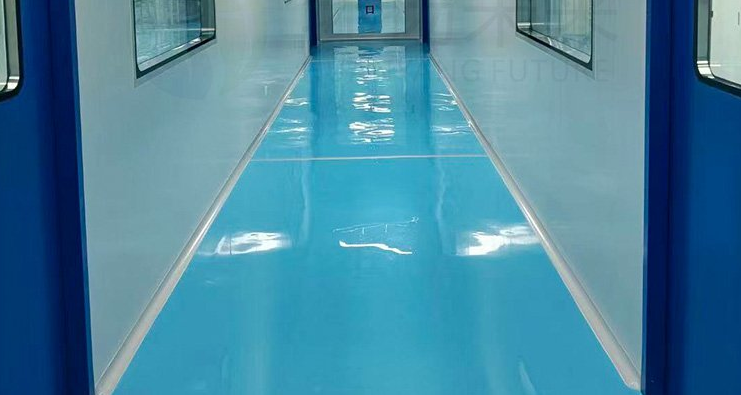
(I) General Industrial Electromagnetic Shielding Coatings (Equipment Housings, Chassis, Electrical Control Boxes)
Suitable for: frequency converters, server chassis, industrial routers, charging pile housings, security equipment, shielding 300MHz~10GHz radio frequency interference.
(II) High-Temperature Electromagnetic Shielding Coatings (High-Temperature Industrial Control, Aircraft Airborne, Metallurgical Electrical Control)
Ordinary metal fillers (aluminum, nickel) oxidize above 200℃, causing rapid shielding failure; black silicon carbide high-temperature resistant systems are suitable for operating conditions of 200~450℃.
(III) Absorbing Shielding Coatings (Radar, RF Equipment, Absorption Shielding) Conventional shielding relies on reflecting electromagnetic waves, which can easily cause secondary interference. Black silicon carbide combined with ferrite and carbonyl iron powder creates an absorbing shielding coating where electromagnetic waves are absorbed by dielectric and magnetic losses within the coating, resulting in extremely low reflection.
(IV) Antistatic Shielding Two-in-One Coatings (Flammable and Explosive Workshops, Lithium Battery Plants) These coatings must both shield precision instruments from external electromagnetic interference and discharge static electricity for explosion prevention. Precise control of the black silicon carbide filler content results in a high impedance coating: preventing static buildup and avoiding full conductivity that could cause short circuits and sparks. Combined with a small amount of carbon black for fine-tuning shielding, these coatings are commonly used in lithium battery production lines and chemical instrument rooms.
(V) Specialized Shielding Scenarios
1. Pipeline Anti-corrosion Shielding Coating: Black SiC shields stray currents on the inner wall of chemical conductive pipelines, while also resisting acid and alkali corrosion and preventing electrochemical corrosion of pipelines;
2. Photovoltaic Inverter Shielding Paint: Combines shielding, heat dissipation, and UV resistance, solving the problem of heat accumulation in sealed inverters;
3. Cable Shielding Coating: Extruded cable surface coating, flexible and bend-resistant, suitable for outdoor weathering.
III. Key Distinctions Between Green Silicon Carbide and Black Silicon Carbide: Green silicon carbide has extremely high purity and resistivity, and is an insulating filler; it is completely unsuitable for conductive adhesives or electromagnetic shielding. Black silicon carbide obtains its semiconductor conductivity through natural impurities and is the only type of silicon carbide suitable for conductive shielding; they should not be used interchangeably.