
Application of green silicon carbide micropowder in the production of nano-insulation panels
Green silicon carbide,also called green carborundum and green SiC, short for “GC”, is produced in electrical internal resistance furnaces from silica sands and petroleum coke(added salt during smelting),with high hardness,thermal conductivity and strength.
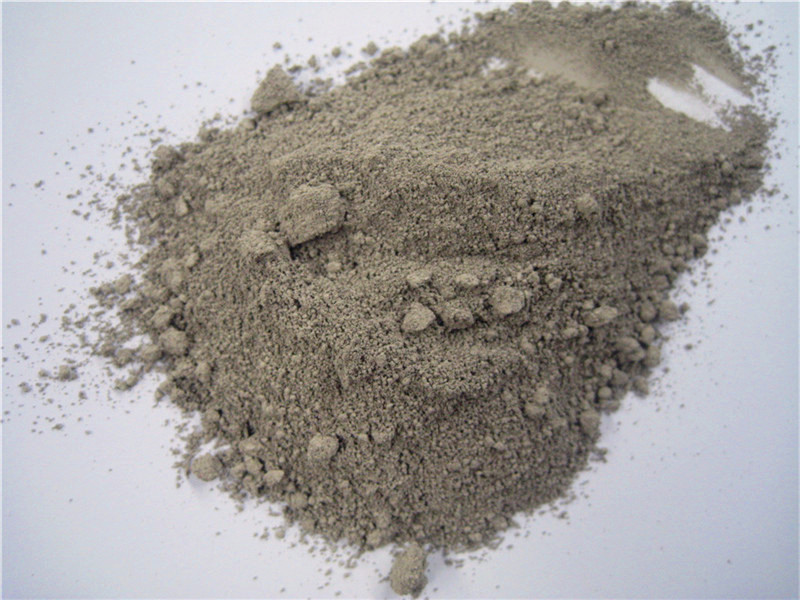
Green silicon carbide micropowder is mainly used as a highly efficient light-blocking agent and a reinforcing filler in the production of nano-insulation panels. By suppressing heat radiation at high temperatures and improving the mechanical properties of the panels, it solves the problem of traditional nano-insulation materials that “difficulty in simultaneously achieving heat insulation and strength.”
Core roles of green silicon carbide
Blocking thermal radiation (sunshading effect): The fumed silica and other matrix inside the nano-insulation panel will generate significant thermal radiation at high temperatures (>600℃). Green silicon carbide micropowder has excellent optical absorption properties, which can efficiently absorb and scatter infrared radiation, greatly reducing the radiative heat transfer coefficient, thereby improving the overall thermal insulation efficiency while maintaining a low thermal conductivity.
Enhanced structural strength: Green silicon carbide has a Mohs hardness of up to 9.4 and is chemically stable. When incorporated into a soft matrix mainly composed of fumed silica and fibers, it acts as a “micro-skeleton” support, significantly improving the compressive and flexural strength of the nano-insulation board and reducing the breakage rate during transportation and use.
Optimized high-temperature stability: With its high melting point (approximately 2700℃) and low coefficient of thermal expansion, green silicon carbide micropowder enhances the thermal shock resistance of composite panels under extreme temperature differences, preventing cracking or pulverization due to repeated heating and cooling.